donate
join
shop
home print
home links print donate now join now join now
conservation wildlife projects news magazine what's on about support us contact us
conservation wildlife projects news magazine what's on about us support us contact us
home -> projects -> mangrovewatch
PROJECTS
Queensland Glider Network
QuollSeekers Network
Richmond Birdwing Conservation Network
EchidnaWatch
PlatypusWatch
MangroveWatch
Seagrass Watch
FaunaWatch
Ornate Rainbowfish
Research Grants Program
Archive
MANGROVEWATCH

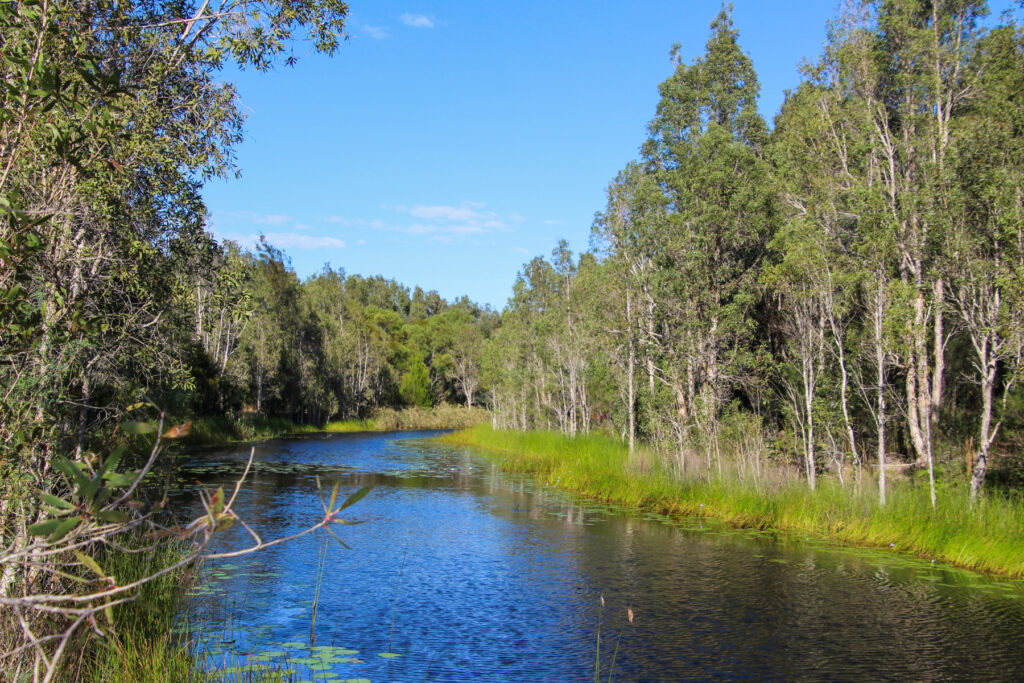
Mangroves have an important role in providing coastal habitat for fish and other marine life.


Imagine walking beneath the shady canopy of a forest; large trunks everywhere you look and masses of seedlings cover the ground like a carpet. As the sun shines through the canopy you see an amazing number of tree hollows and wonder which animals are lucky enough to have such a selection to choose from.

If it wasn't for the powerful sound of pelican wings just metres above your head, the presence of crabs, or perhaps the squishy sound you make as you progressively pull your feet out of the mud, you’d never know you were in one of the most naturally productive ecosystems in the world – the mangroves.

Christine Pfitzner, MangroveWatch

Wildlife Queensland runs a community monitoring program that will help keep track of the health of the mangroves in Moreton Bay.

Aims

With volunteer support, MangroveWatch is establishing survey teams to monitor a range of mangrove communities from Bramble Bay to Victoria Point.

By gathering regular data, survey teams establish baseline data that can be used to help identify natural seasonal variation. This data may also be used to help detect changes that fall outside this range. 

Get involved

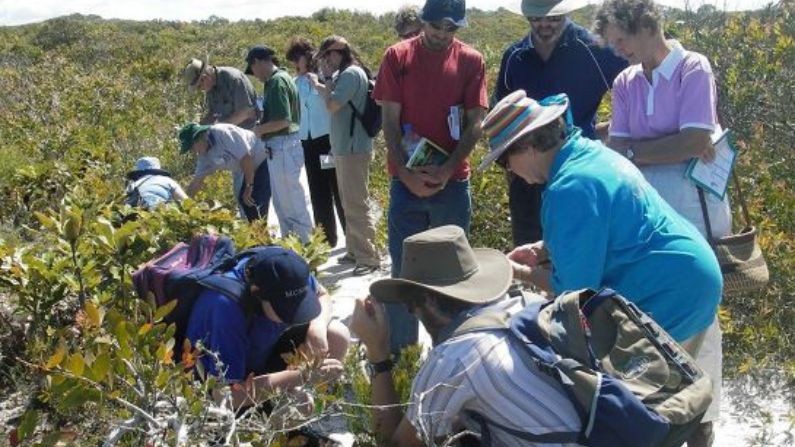
Do you live near Moreton Bay? If you don’t mind a bit of mud and can spare half a day, three times a year, join one of our MangroveWatch survey teams.

Volunteers needed to establish new sites at Wynnum, Lota and Fisherman Islands.

For more information about the project or the volunteer opportunities, email MangroveWatch or read the latest newsletter.

Proposed activities

  • Use GPS and compass to locate sites
  • Monitor mangrove condition including canopy cover and tree health
  • Check water quality parameters including temperature and conductivity
  • Work as part of a monitoring team
  • Use compass to locate sites
  • Monitor mangrove condition including canopy cover, seedling recruitment and pneumatophore health.

Acknowledgements

  • Port of Brisbane Corporation
  • Queensland Parks and Wildlife Service
  • WPSQ Bayside Branch

For more information on WPSQ's projects, email or phone +61 (7) 3221 0194.